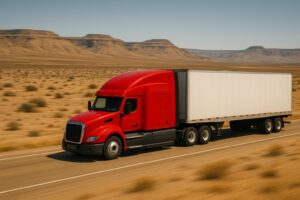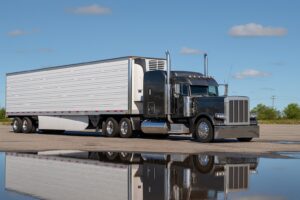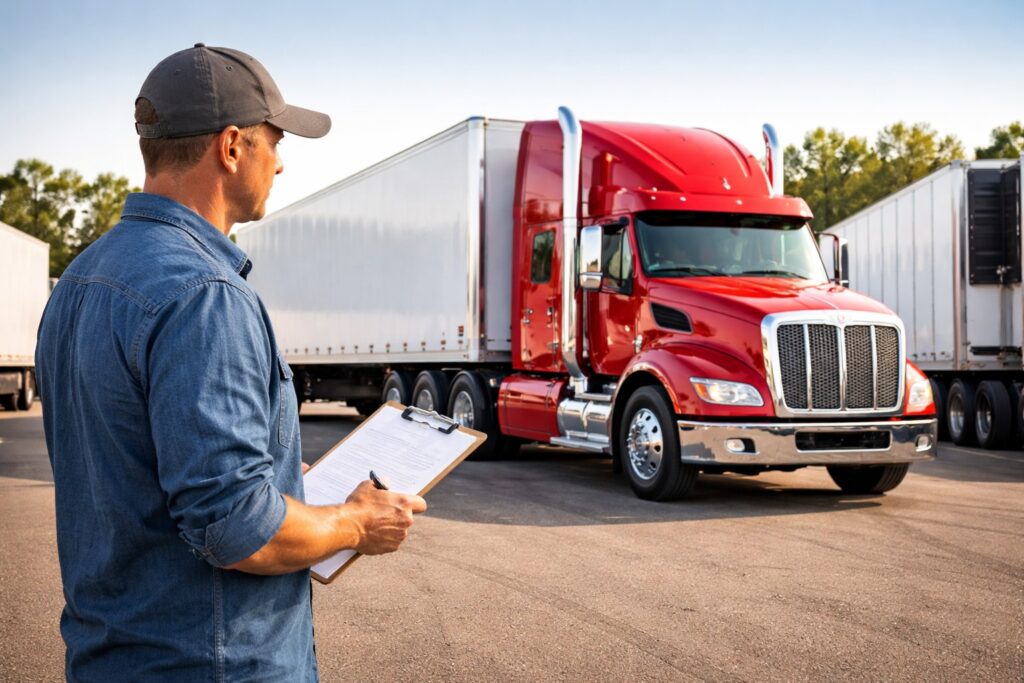
Buying a trailer can help a small business grow faster, take on more work, and improve cash flow. Still, the wrong financing choice can put pressure on the business from day one. That is why small business owners need a financing option that fits both the trailer and the way the company earns money.
In real trailer deals, most buyers do not need the same thing. One business may want the lowest upfront cost. Another may want to build equity in the trailer. A third may need extra cash for insurance, tags, repairs, and fuel. The best funding option depends on those details.
This guide breaks the topic down in a direct Q&A format so owners can compare common choices and make a smarter decision.
What are the best options for trailer financing for small businesses?
The best options usually include equipment loans, SBA loans, leases, lease-to-own plans, and business lines of credit. Each option solves a different problem. Some help buyers own the trailer faster, while others reduce upfront costs or give more room for working capital.
Most small businesses should compare these five options first:
| Financing option | Best for | Long-term structure | Main concern |
|---|---|---|---|
| Equipment loan | Businesses that want ownership | Straight path to owning the trailer | Related short-term costs |
| SBA 7(a) loan | Businesses that need flexibility | Can cover trailer and other costs | More paperwork |
| SBA 504 loan | Larger fixed asset purchases | Often requires a down payment | Less flexible |
| Lease or lease-to-own | Businesses with limited cash upfront | Lower entry cost | Higher total cost over time |
| Business line of credit | Related short term costs | Flexible access to funds | Not ideal for full asset purchase |
Why do equipment loans work so well for trailer financing?
Equipment loans work well because they align with the purchase of a trailer in a straightforward way. The lender finances the trailer, and the business repays the loan over time. That structure makes the deal easier to understand and often faster to process than broader business funding.
This option often makes sense when:
- You want to own the trailer
- You know the trailer will stay in service for years
- You want fixed monthly payments
- You do not need a large amount of extra working capital
For many small fleets and owner operators, this is the first option to review.
When should a small business choose an SBA loan?
An SBA loan makes sense when the business needs more than just the trailer itself. Many small companies also need cash for startup costs, licensing, insurance, repairs, payroll, or reserves. In that case, SBA financing can offer more flexibility than a standard trailer loan.
SBA 7(a) often fits businesses that want:
- Funding for the trailer
- Extra working capital
- Longer repayment structure
- More breathing room during growth
SBA 504 can make sense when the purchase involves a larger long-term asset strategy. It usually fits more established businesses with a clear expansion plan.
Is leasing a trailer better than financing it?
Leasing is better when upfront cash matters more than long-term ownership. Financing works better when the business wants to build value in the trailer over time. The better choice depends on how long the company plans to keep the trailer and how much cash it wants to preserve today.
A lease may work better if:
- You want lower upfront costs
- You want flexibility
- You may upgrade equipment later
- You want to keep more cash in the business
Financing may work better if:
- You want full ownership
- You expect to use the trailer for many years
- You want a clearer path to long-term value
- You want to avoid ongoing lease restrictions
Lease-to-own plans sit in the middle. They can help a business get started with less pressure while still moving toward ownership.
Can a new business get trailer financing?
Yes, a new business can get trailer financing, but approval often depends on the owner’s credit, cash down, business plan, and the trailer itself. Newer companies usually face tighter terms than established businesses, so they need to prepare a cleaner application.
Lenders often look at:
- Personal credit score
- Time in business
- Down payment amount
- Business bank statements
- Revenue or contract history
- Trailer age and condition
A startup with strong personal credit and a solid revenue plan can still get approved, especially when the trailer supports a clear business purpose.
What should small businesses compare before choosing a lender?
Small businesses should compare the full cost of financing, not just the monthly payment. A lower payment can still lead to a weaker deal if fees run high, the term lasts too long, or the structure creates pressure later.
Focus on these points:
- Interest rate
- Down payment
- Total repayment amount
- Loan term
- Fees
- Prepayment penalties
- Balloon payment risk
- Trailer age limits
- Speed of funding
That kind of side-by-side review gives owners a more honest picture of the deal.
How can a small business choose the right trailer financing option?
The right choice starts with the business model, not the lender pitch. A company should first decide how the trailer will earn money, how long it plans to keep it, and how much cash it needs outside the purchase itself. Then it can match those needs to the right funding type.
Follow this simple process:
- Define the trailer you want to buy.
- Estimate all related costs, not just the sale price.
- Decide whether ownership or flexibility matters more.
- Compare at least three financing offers.
- Review the total cost, not only the monthly payment.
- Choose the option that protects cash flow while supporting growth.
That approach keeps the decision practical and business-focused.
What is the best final answer for most small businesses?
For most small businesses, the best answer is an equipment loan if the goal is ownership and stable monthly payments. SBA 7(a) works well when the company also needs working capital. Leasing helps when cash up front stays tight. The smartest option always matches the business plan.
There is no universal winner. A strong financing decision supports revenue, protects day-to-day operations, and gives the business room to grow. That is what trailer financing should do for a small company.