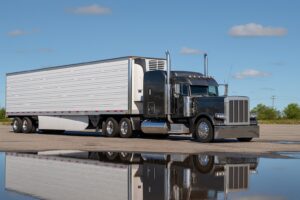
Starting your own trucking company can be a smart way to turn driving experience, logistics knowledge, or entrepreneurial ambition into a real business. But success takes more than buying a truck and finding loads. You need a clear plan, the right registrations, reliable equipment, insurance, financing, and a system for managing cash flow from day one.
If you’re wondering how to start a trucking business, this guide walks through the key steps to open a trucking company with more confidence and fewer costly surprises.
1. Choose Your Trucking Business Model
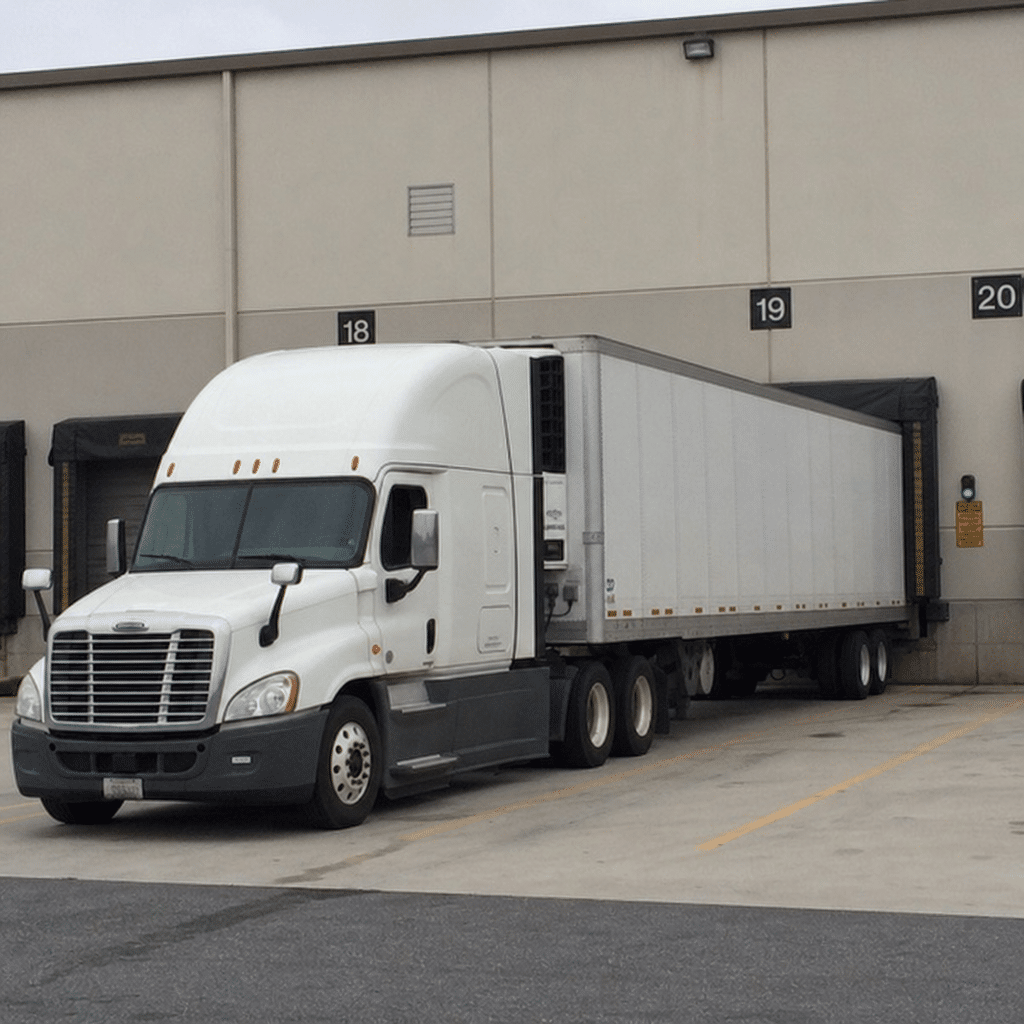
Before you handle paperwork or shop for equipment, decide what type of truck driving business you want to operate. Your business model affects your startup costs, insurance needs, licensing requirements, customer base, and funding strategy.
Common trucking business models include:
- Owner-operator: You drive your own truck and work directly with brokers, shippers, or carriers.
- Small fleet operator: You own multiple trucks and hire drivers to operate them.
- Specialized freight carrier: You focus on refrigerated goods, flatbed freight, hazardous materials, heavy equipment, or another niche.
- Local or regional carrier: You run shorter routes within a city, state, or region.
- Long-haul carrier: You transport freight across multiple states, often requiring more planning, compliance, and cash flow management.
If you are starting trucking company operations for the first time, it may be wise to begin with a focused niche instead of trying to serve every type of freight customer. A clear niche helps you estimate costs, choose the right truck, market to the right customers, and build stronger relationships.
2. Write a Practical Business Plan
A business plan does not need to be overly complicated, but it should help you make decisions before money is on the line. Many people researching how to start a trucking company skip this step and end up underestimating expenses.
Your trucking startup plan should cover:
- The type of freight you will haul
- Your service area
- Whether you will operate as an owner-operator or fleet
- Startup costs, including trucks, permits, insurance, fuel, and maintenance
- Monthly operating expenses
- Target customers or freight brokers
- Pricing strategy
- Funding needs
- Cash flow projections
- Hiring plans, if applicable
Be realistic with your numbers. Trucking can generate strong revenue, but expenses can also be high. Fuel, repairs, insurance premiums, tires, tolls, driver pay, and delayed customer payments can quickly strain working capital.
If your plan shows a funding gap, review options like small business funding early instead of waiting until an urgent expense appears.
3. Register Your Business Legally
Once you have a plan, choose a business structure and register your company. Many trucking business owners consider forming an LLC or corporation to separate business and personal finances, but the right structure depends on your situation. Speak with a qualified professional if you are unsure.
General steps to open a trucking company often include:
- Choose a business name.
- Register the business in your state.
- Apply for an Employer Identification Number if needed.
- Open a dedicated business bank account.
- Set up bookkeeping and accounting systems.
- Check local, state, and federal requirements for your type of operation.
Keeping your finances separate from the beginning makes it easier to track profit, prepare taxes, apply for financing, and understand whether your trucking company is truly performing well.
4. Handle Trucking Authority, Permits, and Compliance
Trucking is a regulated industry, so compliance is a major part of opening a trucking company. Requirements vary based on where you operate, what you haul, and whether you cross state lines.
Depending on your business, you may need to address items such as:
- USDOT registration
- Motor carrier operating authority
- State trucking permits
- International Registration Plan requirements
- International Fuel Tax Agreement requirements
- Heavy vehicle use tax requirements
- Unified Carrier Registration
- Commercial driver licensing
- Drug and alcohol testing programs
- Electronic logging device rules
- Vehicle inspection and maintenance records
This is one of the most important steps to start a trucking company because mistakes can delay operations or lead to penalties. Always verify current requirements with the appropriate agencies or a compliance professional before you begin hauling freight.
5. Estimate Startup Costs Before Buying Equipment
A common mistake in a trucking startup is focusing only on the cost of the truck. The truck may be your largest purchase, but it is not your only expense.
Typical startup costs may include:
- Down payment or purchase price for a truck
- Trailer purchase or lease
- Insurance premiums
- Permits and registrations
- Compliance setup
- Fuel reserves
- Maintenance and repairs
- Tires and emergency roadside expenses
- Accounting or dispatch software
- Load board subscriptions
- Marketing materials
- Professional services
- Working capital for slow-paying invoices
Because expenses can arrive before revenue is collected, many owners use financing to protect cash flow. Equipment-related costs may be supported through equipment financing, while day-to-day expenses may require a different type of capital.
6. Secure the Right Truck and Trailer
Choosing equipment is one of the biggest decisions when you start a trucking company. The right truck depends on your freight niche, route length, budget, and maintenance plan.
Consider these questions before buying or leasing:
- What freight will you haul?
- Do you need a dry van, reefer, flatbed, tanker, or specialized trailer?
- Will you drive local, regional, or long-haul routes?
- Can you afford the monthly payment and operating costs?
- Is the truck fuel-efficient enough for your routes?
- What is the maintenance history?
- Are parts and service easy to access?
- Does the vehicle meet current compliance standards?
A used truck may lower upfront costs, but it can also increase repair risk. A newer truck may offer better reliability but higher payments. Run the numbers carefully and avoid stretching your budget so far that one breakdown creates a financial crisis.
7. Get Insurance Before Operating
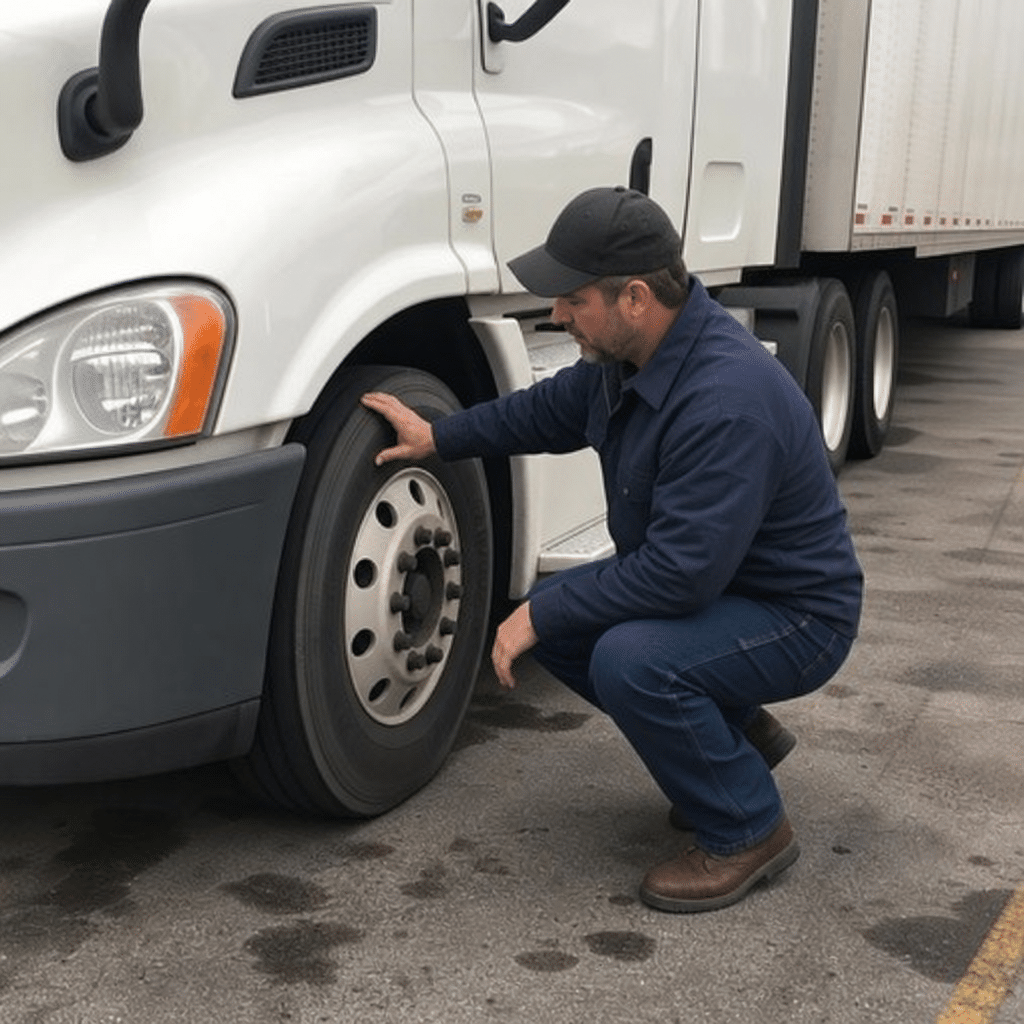
Insurance is essential when starting your own trucking company. Premiums can be expensive, especially for new authorities, but operating without proper coverage is not an option.
Your insurance needs may include:
- Primary liability insurance
- Physical damage coverage
- Motor truck cargo insurance
- General liability insurance
- Bobtail or non-trucking liability coverage
- Workers’ compensation, if you have employees
- Trailer interchange coverage, if applicable
Insurance costs vary widely based on experience, driving history, freight type, radius of operation, equipment, claims history, and coverage levels. Get quotes early so you can include accurate numbers in your startup budget.
8. Set Up Financing and Cash Flow Support
Many new owners ask, “How do I start a trucking business if I don’t have enough cash for every startup expense?” The answer is usually a combination of savings, financing, careful budgeting, and disciplined cash flow management.
Trucking companies often need capital before, during, and after launch. Some of the common reasons trucking companies need business funding include:
- Buying or leasing trucks and trailers
- Covering fuel costs before invoices are paid
- Paying insurance premiums
- Handling emergency repairs
- Hiring drivers
- Purchasing tires
- Expanding from one truck to multiple trucks
- Managing seasonal slowdowns
- Paying registration and compliance costs
- Bridging gaps from slow-paying customers or brokers
A business line of credit can be useful for recurring or unpredictable expenses because it may provide flexible access to funds when needed. For broader operating expenses, working capital loans may help cover costs while your company builds consistent revenue.
Use funding strategically. Borrowing should support revenue, protect operations, or improve efficiency — not cover poor planning indefinitely.
9. Find Freight and Build Customer Relationships
After compliance, equipment, and insurance are in place, you need freight. Many new trucking companies start with load boards, freight brokers, or dispatch services. These can help you get moving, but they should not be your only long-term strategy.
Ways to find freight include:
- Load boards
- Freight brokers
- Direct shipper relationships
- Dispatch services
- Local manufacturers and distributors
- Agricultural businesses
- Construction suppliers
- Retail and wholesale companies
- Networking with other carriers
Direct relationships can often provide more consistency than relying only on spot market loads. When contacting potential customers, be ready to explain your lanes, equipment type, availability, insurance coverage, and service standards.
Your reputation matters. On-time deliveries, clear communication, clean paperwork, and professional conduct can help you win repeat business.
10. Create a Pricing Strategy
Pricing is one of the most important steps to open a trucking company profitably. If your rates are too low, you may stay busy but lose money. If your rates are too high without a strong value proposition, you may struggle to win freight.
Understand your cost per mile, including:
- Fuel
- Driver pay or owner compensation
- Truck payment
- Trailer payment
- Insurance
- Maintenance
- Tires
- Tolls
- Permits
- Factoring or financing costs
- Dispatch or load board fees
- Administrative expenses
Once you know your true costs, you can set rates that protect profit instead of guessing. Review your numbers regularly because fuel, insurance, repairs, and market rates can change.
11. Build an Operations System
A trucking business needs more than a truck and loads. You need systems that keep the company organized, compliant, and profitable.
Set up processes for:
- Dispatching
- Route planning
- Fuel tracking
- Maintenance scheduling
- Driver qualification files
- Hours-of-service records
- Invoicing
- Payment follow-up
- Expense tracking
- Tax preparation
- Customer communication
- Safety documentation
Even if you start as a one-person operation, create systems as if you plan to grow. This makes it easier to add drivers, trucks, or new routes later without chaos.
12. Hire Carefully If You Plan to Grow
If your plan includes building a fleet, driver hiring will become one of your most important responsibilities. Reliable drivers affect safety, insurance, customer satisfaction, and profitability.
When hiring drivers, consider:
- Commercial driving experience
- Safety record
- License class and endorsements
- Professional references
- Availability for your routes
- Communication habits
- Understanding of compliance rules
- Fit with your company culture
Do not rush hiring just to get another truck on the road. A poor hiring decision can lead to missed deliveries, higher insurance costs, damaged freight, or safety issues.
13. Market Your Trucking Company
Marketing may not be the first thing people think about when researching how to open trucking company operations, but it matters. A professional presence helps customers and brokers take your business seriously.
Basic marketing steps include:
- Build a simple website with your services, lanes, equipment, and contact information.
- Create a professional email address.
- Claim relevant business profiles.
- Develop a one-page capability statement.
- Ask satisfied customers for referrals.
- Network with shippers, brokers, and local businesses.
- Keep branding consistent across documents, invoices, and online profiles.
You do not need a huge marketing budget to start. Focus on credibility, responsiveness, and clear communication.

14. Track Performance From the First Load
Once your company is running, track performance closely. Revenue alone does not tell the full story. A trucking business can bring in large payments while still struggling with profit if costs are too high.
Monitor key numbers such as:
- Revenue per mile
- Cost per mile
- Fuel cost percentage
- Maintenance costs
- Insurance costs
- Empty miles
- Days to get paid
- Profit by route or customer
- Cash reserves
- Debt payments
Reviewing these numbers helps you make better decisions about which loads to accept, when to raise rates, whether to expand, and when to seek funding.
15. Avoid Common Startup Mistakes
Learning the steps to start a trucking company is important, but so is knowing what can go wrong. Many new trucking businesses run into trouble because they grow too fast, underprice loads, ignore compliance, or fail to plan for cash flow gaps.
Common mistakes include:
- Buying equipment before understanding freight demand
- Underestimating insurance costs
- Taking low-paying loads just to stay busy
- Forgetting to budget for maintenance
- Mixing personal and business finances
- Relying on one customer or broker
- Ignoring compliance deadlines
- Hiring drivers too quickly
- Expanding before cash flow is stable
- Failing to keep accurate records
Avoiding these mistakes can improve your odds of building a trucking company that lasts.
Final Checklist for Opening a Trucking Company
Before you begin hauling freight, make sure you have completed the essentials:
- Choose your trucking niche and business model.
- Write a realistic business plan.
- Register your company and set up business banking.
- Confirm all operating authority, permits, and compliance requirements.
- Estimate startup and monthly operating costs.
- Buy or lease the right truck and trailer.
- Secure proper insurance coverage.
- Arrange funding or cash reserves.
- Find freight sources and build customer relationships.
- Set profitable rates based on your cost per mile.
- Create systems for dispatch, invoicing, maintenance, and compliance.
- Track performance and adjust as you grow.
Ready to Start a Trucking Company?
Opening a trucking company takes planning, discipline, and capital, but it can become a strong business when built on the right foundation. Start with a clear niche, protect your cash flow, stay compliant, and make decisions based on real numbers rather than guesswork.
If funding is part of your launch plan, explore financing options that fit your startup costs, equipment needs, and working capital goals before you hit the road.