Starting a trucking business can change your life. It can also drain your savings fast if you guess your way through equipment, cash flow, and compliance. Most new carriers focus on the truck first. That makes sense, but the trailer often decides what freight you can haul, how fast you can load, and how much money you keep at the end of the month.
In this guide, you will learn how to build a trucking business that can survive the first year and scale. We will cover your business setup, authority, lanes, revenue planning, and the real role of trailer financing in growth.
Step 1: Pick your business model before you buy anything
Trucking has several paths. Your choice affects costs, risk, and how you grow.
If you want full control, run under your own authority. You will manage your DOT and MC numbers, compliance, insurance, and billing. You can negotiate rates and build direct shipper relationships over time.
If you want a lighter start, lease on to a carrier. You can drive and earn while the carrier handles parts of the admin work. You will still need discipline, because you will run a business even if someone else holds the authority.
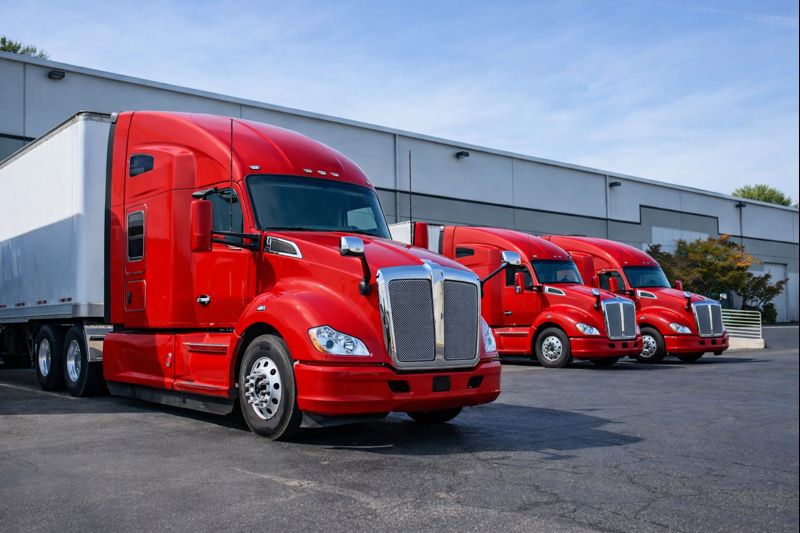
If you want to build a fleet, think like a fleet from day one. You will need systems for safety, maintenance, driver hiring, and cash reserves. You will also need a plan for adding units without choking your cash flow.
Step 2: Choose a freight niche and lanes that match real demand
Your freight type decides your trailer type. Your trailer type decides your earning options.
Dry van freight gives you broad demand. It can support steady lanes and drop-and-hook work in some networks.
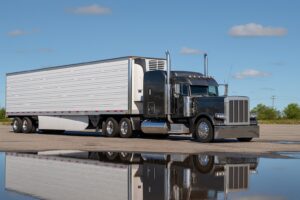
Reefer freight can pay well, but it also adds fuel, maintenance, and strict temperature requirements. It also adds risk when the unit fails.
Flatbed and step deck work can bring strong rates, but you must manage securement, tarps, and weather. You also need more time at the shippers.
Power can lower your startup cost, because you pull someone else’s trailer. You may still face trailer shortages and strict appointment rules.
Start simple. Pick one or two lanes you can run consistently. Focus on rate per mile, reload options, and deadhead miles. Do not chase “good loads” without a lane strategy. You will burn fuel and time.
Step 3: Build a startup budget that includes real trucking costs
Many new owners calculate a truck payment and fuel. Then they panic when insurance kicks in, repairs are needed, or a broker pays late.
Plan for these items:
Insurance down payment and monthly premium
Plates, permits, UCR, IFTA, IRP if needed
ELD subscription, dash cam, GPS
Maintenance fund, tires, oil, brakes
Tolls, parking, lumpers, scales
Load boards and dispatch tools
Factoring fees or reserve cash for net 30 payments
You need cash reserves. Aim for at least one month of total operating cost. Two months feels even better.
Step 4: Set up your company the right way
Most new carriers form an LLC and get an EIN. Open a business bank account and keep your books clean from day one. Track every expense category, because trucking has thin margins.
Good bookkeeping helps you price loads correctly. It also helps when you apply for financing, add a second unit, or negotiate insurance.
Step 5: Get authority and compliance under control
If you run your own authority, you must handle compliance with discipline. This part decides whether you stay in business.
You will manage:
DOT registration and MC authority
Drug and alcohol consortium enrollment
Driver qualification file if you hire
Hours of service tracking with an ELD
Vehicle inspections, maintenance records, and repairs
Safety habits that protect your CSA score
Treat compliance like revenue. If you ignore it, you’ll pay later.
Step 6: Understand why the trailer matters so much
A trailer is not just “something to pull.” It is a tool that forms your entire operation.
The trailer affects:
Which loads can you take today
How fast do you get loaded and unloaded
How often do you sit waiting for a match
How much do you earn per trip
How many extra fees do you pay, like detention or layover
How many repairs do you face, and how often do you go down
A strong trailer can help you win higher-paying freight. It can also keep you from losing money on breakdowns, tire issues, or structural problems.
A weak trailer can trap you in cheap freight. It can also create claim risk if it damages cargo.
Step 7: Use financing to protect cash flow and speed up growth
Financing is not simply a way to buy equipment. It is a way to manage timing.
When you spend all your cash on equipment, you leave nothing for insurance, maintenance, and slow weeks. That creates stress and bad decisions. You start taking low rates just to survive.
When you structure your funding correctly, you can:
Keep cash available for repairs and downtime
Start with reliable equipment instead of “cheap problems.”
Scale faster when the first unit runs stably
Build business credit and lender confidence
If you want to understand funding options for your first truck, start here with a clear overview of truck financing and how it fits a new carrier plan.
Step 8: Trailer financing can unlock better freight without draining your reserves
Many new carriers start with power only or run with a basic trailer. Then they realize they need a specific trailer type to access better freight. At that point, buying a trailer with cash can be a mistake. It can wipe out the reserve you need for insurance renewals, tires, and engine repairs.
Trailer financing helps you avoid that problem. It lets you spread the cost across predictable payments. It also lets you upgrade your trailer to match your freight plan.
You can use trailer financing when you want to:
Add a dry van to control your schedule
Buy a flatbed or step deck to move into higher-paying freight
Stop depending on trailer availability in power-only work
Move toward drop and hook lanes with better consistency
Add a second trailer so one truck can keep moving
A trailer can also support your dispatch strategy. When you control your trailer, you can reduce wasted time. Time is money in trucking.
Step 9: Do not ignore “support equipment” that keeps you running
Your truck and trailer matter most, but support gear keeps you legal and productive.
You may need:
Straps, chains, binders, and corner protectors
Tarps and tarp tools for flatbed work
Dunnage and load locks for van freight
Tool kit and basic repair gear
APU or inverter upgrades for comfort and idle control
Tracking and security equipment for theft prevention
These items add up fast. You can cover critical gear with equipment financing so you do not start your business under-equipped.
Step 10: Owner operator goals require a different financing mindset
Many people start a trucking business because they want to become an owner operator with control, flexibility, and higher earning potential. That goal makes sense, but you need a plan that supports it.
An owner operator must manage:
Maintenance reserves and breakdown planning
Fuel strategy and route planning
Pricing discipline and broker selection
Paperwork, invoicing, and collections
Taxes and quarterly planning
You can support that path with options built for independent carriers, like owner operator financing that corresponds to real owner operator cash flow and growth patterns.
Step 11: Leasing vs financing, and how to choose
Some owners prefer leasing because it can reduce upfront costs and speed up the start. Others prefer financing because it supports ownership and long-term value.
Leasing can work well when you want:
Lower cash out of pocket at startup
Predictable payments
A clear path to upgrade equipment later
Financing can work well when you want:
Ownership and equity
Long-term steadiness and control
A plan to keep equipment for years
If you want to explore leasing structures for trucking equipment, review leasing and compare it with your long-term goal.
Step 12: Plan your revenue and cash flow like a business owner
You will hear big revenue numbers in the trucking industry. Revenue means nothing if your profit stays low.
Track these numbers weekly:
Revenue per mile
Fuel cost per mile
Maintenance cost per mile
Deadhead percentage
Average days to get paid
Detention and accessorial pay recovery rate
Your goal is predictable profit. Do not chase random loads that look good for one trip. Build lanes and relationships.
Use a clear process for load acceptance:
Know your minimum rate per mile
Calculate fuel and tolls
Estimate the loading time and waiting risk
Avoid brokers who stall payment or change terms
Get detention terms confirmed in writing
When you run stable numbers, you can scale with confidence.
Step 13: Scaling from one truck to a fleet requires planning
The jump from one truck to two trucks changes everything. You will manage another driver, increased insurance exposure, additional maintenance, and greater compliance risk.
Fleet growth works best when you:
Standardize equipment for easier maintenance
Build a driver hiring and onboarding routine
Create a safety program that prevents violations
Keep strong cash reserves and stable billing
Use financing that supports multiple units
When you are ready to grow beyond one unit, consider commercial fleet financing that supports a real expansion plan.
A simple growth strategy that uses trailer financing the right way
Here is a practical growth path many carriers can follow.
Start with one truck and a plan for consistent lanes. Run power only for a short time if it helps you reduce startup cost. Build relationships with brokers and shippers. Track your profit per mile. Fix your weak spots.
When you see stable lanes and predictable reloads, add your own trailer through trailer financing. This step can unlock better loads and reduce downtime from trailer shortages. It can also raise your average rate if you choose the right trailer type for your freight.
Then, when your first unit runs stably for months, add a second unit. Grow with discipline, not excitement.
Final thoughts
Starting a trucking business can bring freedom and high income. It requires planning, discipline, and smart equipment decisions. Trailer choice matters because it controls the freight you can haul and the time you waste at shippers. Financing matters because cash flow decides whether you survive the first hard month.
Build your plan in this order:
Choose freight and lanes
Match equipment to that plan
Protect cash flow with smart financing
Add trailers and units only when the numbers stay stable